Tag: Daily Challenges

Winning Habits For Every HOK Player
Succeeding in the highly competitive environment of Honor of Kings requires a combination of sharp instincts and deliberate personal practice. While individual talent can help you win occasional skirmishes, building long-term consistency demands sustainable routines that optimize your performance. By establishing structured daily routines, any dedicated competitor can steadily climb the ranked ladder and contribute effectively to their team.
Mastering the Pre-Match Preparation Routine
Before entering a high-stakes matchmaking queue, taking time to prepare your mental state and hardware settings can prevent early mistakes. Checking your local network latency ensures you will not experience sudden disruptions during critical team fights. Additionally, spending just a few minutes reviewing recent patch notes helps you understand current hero adjustments and shifting meta trends.
Engaging in a quick warm-up match within the practice arena can activate your muscle memory before the real competition begins. This brief routine allows you to calibrate your directional skill-shots and get comfortable with complex combination timings. Entering your matches with a completely focused mindset prevents early performance anxiety from clouding your decision-making.
Cultivating Exceptional Resource Allocation Habits
One of the most defining characteristics of advanced players is their absolute commitment to maintaining high gold acquisition throughout the match. Consistently securing minion waves ensures that your character reaches essential item power spikes ahead of your direct opponents. Balancing aggressive lane pressure with safe jungle camp clears maximizes your team overall economy without exposing you to unnecessary risks.
Understanding when to yield resources to your primary damage dealers is equally vital for achieving collective victory. Effective roamers and tank players actively protect their marksmen to allow them to scale into unstoppable late-game threats. This disciplined approach to resource sharing creates a balanced team dynamic that can overcome early-game deficits.
Enhancing In-Game Map Evaluation Practices
Developing a strict habit of checking the mini-map every few seconds provides the essential intelligence needed to predict upcoming enemy ambushes. Recognizing sudden absences from the opposing lanes allows you to warn vulnerable allies before a coordinated strike occurs. This continuous surveillance transforms basic reaction times into proactive defensive strategies that protect your entire squad.
Using target pings fluidly helps coordinate fast rotations toward major objective areas like the Tyrant or the Overlord. Grouping ahead of objective spawns gives your team the necessary space to set up defensive perches within the brush. Prioritizing these neutral monsters over random individual chases remains the most reliable method for closing out matches efficiently.
Implementing Objective Post-Match Analysis
Instead of immediately starting another match after a frustrating loss, analyzing the replay file offers invaluable opportunities for personal growth. Reviewing your positioning during late-game team battles helps pinpoint precisely where things went wrong. Identifying mistimed ultimate abilities prevents you from repeating identical mechanical blunders in future competitive queues.
Maintaining an adaptable growth mindset allows you to treat every tough defeat as a constructive learning tool rather than a failure. Documenting your common mistakes encourages the development of better tactical habits over time. This continuous cycle of evaluation and refinement is what eventually separates casual ladder climbers from true regional champions.

Winning Through Intelligent Rotations
Achieving victory in competitive battle royale games like PlayerUnknown's Battlegrounds requires far more than just sharp shooting skills and quick mechanical reflexes. True tactical mastery lies in map movement and navigating the battlefield dynamically to outmaneuver opposing squads. By executing smart transitions across changing zones, players can secure the upper hand and consistently dominate their matches.
The Core Elements of Map Awareness
Successful movement begins with a deep understanding of the surrounding terrain and potential enemy positions. Competent survivors constantly monitor the mini-map to predict where conflicting teams might establish strongholds. This continuous evaluation allows squads to select paths that minimize exposure while maximizing geographic cover.
Predicting player behavior based on flight paths and early drop zones gives tactical teams a definitive advantage. Anticipating where bottlenecks will form allows leaders to guide their teammates safely through high-risk areas. Developing this advanced foresight shifts a team from a reactive state to proactive control over the game's tempo.
Timing the Blue Zone Transitions
Managing the countdown clock is just as critical as choosing the right physical path toward safety. Leaving a compound too early can expose a squad to waiting gatekeepers, while moving too late leaves players vulnerable to zone damage. Elite squads find the perfect equilibrium by tracking boundary shifts and planning early departures.
Utilizing vehicles efficiently during mid-game phases ensures the team can claim prime compounds before others arrive. Fast transport minimizes time spent in open fields where snipers hold significant advantages. Strategic pacing transforms the environment from a constant threat into a manageable asset for the team.
Securing Superior High Ground Positioning
Entering a new safe zone requires immediate identification of defensible structures or elevated ridges. Controlling high ground offers unparalleled sightlines to spot approaching enemies and suppress them effectively. Teams that prioritize height over immediate cover usually dictate the terms of late-game engagements.
When rotating into competitive circles, executing careful scouting maneuvers prevents disastrous ambushes. Sending a designated scout ahead ensures the intended destination is completely clear of hidden threats. This patient approach preserves utility items and shields team health for final showdowns.
Adapting Strategies to Final Circles
The closing stages of a match demand total flexibility as the playing field shrinks rapidly. Standard tactics must quickly shift toward immediate threats and compact physical barriers. Successful survivors maintain composure under pressure and adjust their plans dynamically as combat erupts around them.
Clear communication and precise positioning are the ultimate pillars of securing a chicken dinner. Every player must understand their role during final pushes to ensure total coverage against remaining survivors. By maintaining strict discipline and moving cohesively, squads can overcome unfavorable circles and claim ultimate victory.
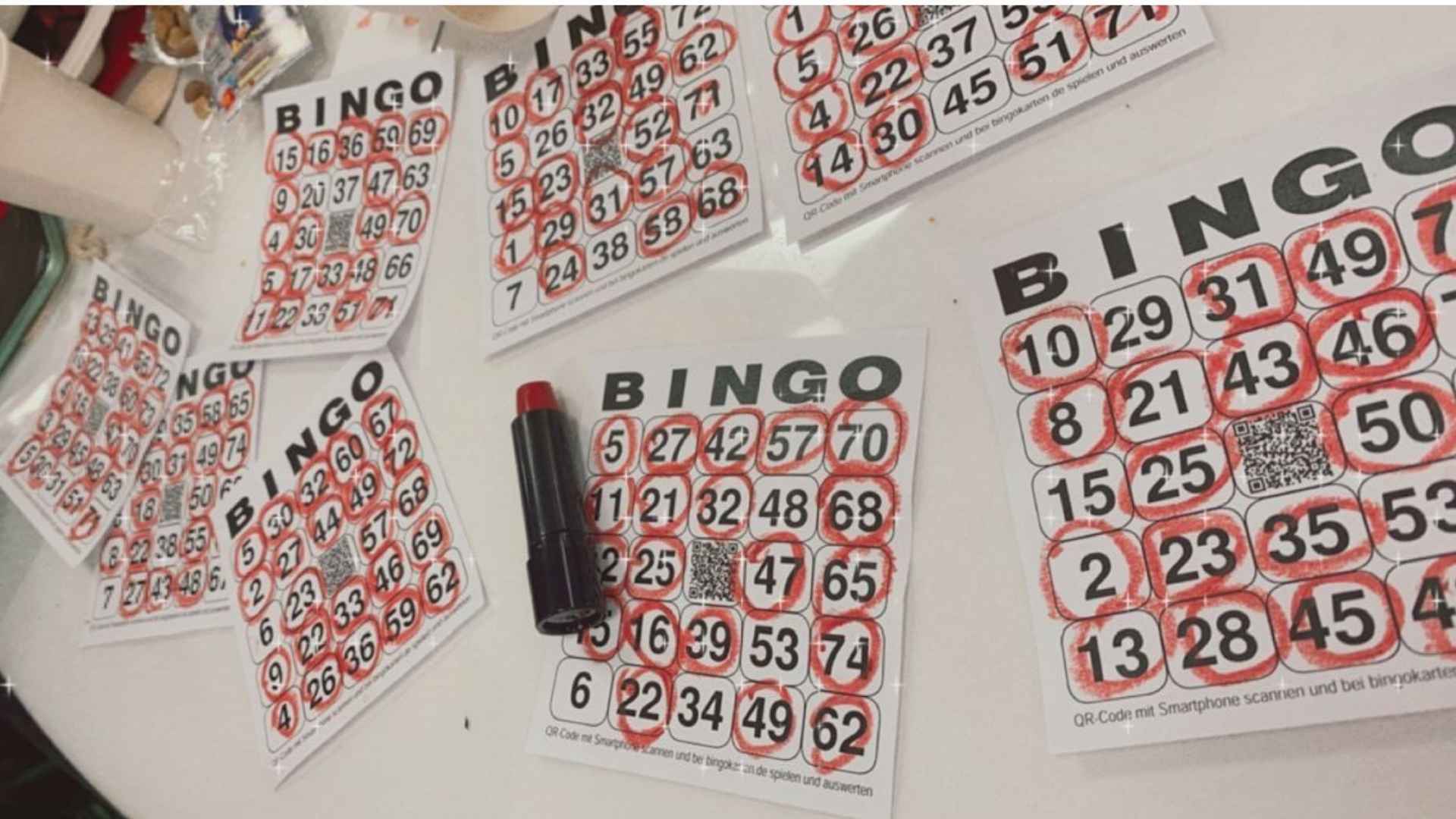
Classic Elegance Meets Modern Baccarat
Baccarat has long been revered as a game of pure sophistication, evoking images of opulent European gaming salons and tuxedo-clad high rollers. Originally reserved for aristocrats and the elite, this historic card game has successfully transitioned into the digital age without losing its prestigious aura. The modern gaming landscape has beautifully merged this traditional charm with cutting-edge technology, creating an accessible yet luxurious environment for players worldwide.
The Digital Transition of a Sophisticated Tradition
The transition from brick-and-mortar casino rooms to internet platforms initially posed a significant challenge for developers who wanted to preserve the game's exclusive atmosphere. However, advanced streaming technology and immersive software design have successfully replicated the physical tactile experience online. Players can now enjoy the classic aesthetic and unhurried pace of traditional gaming from the comfort of their homes.
High-definition video feeds allow participants to observe every card deal and shuffle in real time, fostering a sense of security and transparency. For enthusiasts looking to explore this seamless blend of heritage and technology, accessing M88 asia offers a highly refined and premium platform to engage with the classic table game. This digital evolution ensures that the inherent drama and suspense of the traditional game remain entirely intact.
Preserving Core Mechanics in a Fast Paced Era
At its heart, baccarat remains a beautifully uncomplicated game centered around predicting whether the player hand or the banker hand will achieve a total closest to nine. Modern adaptations have strictly preserved these simple math rules and favorable odds to maintain the game's strategic integrity. Whether sitting at a physical VIP table or playing on a smartphone screen, the foundational rules do not change.
While variations like mini-baccarat have scaled down the physical environment to increase playing speeds, they still utilize the traditional table layouts. This preservation of core mechanics provides a comforting continuity for experienced players transitioning between physical and online spaces. It demonstrates how a centuries-old pastime can adapt to modern demands without losing its historic soul.
Immersive Innovations Enhancing User Engagement
One of the most remarkable features of modern digital alternatives is the implementation of tactile card-squeezing features on virtual screens. This popular ritual, historically practiced by high-stakes players to build tension, has been recreated using realistic graphic simulations and touch gestures. Players can slowly peel back the edges of digital cards, adding an authentic layer of suspense to each round.
Additionally, modern systems offer detailed interactive scorecards and statistics that help enthusiasts track previous patterns and historical outcomes. These intuitive digital tools empower participants to make informed decisions without disrupting the elegant aesthetic of the game. By combining classic rituals with smart user interfaces, the modern game remains highly engaging for all generations.
A Accessible Future for a Global Community
By removing the intimidating dress codes and high betting limits of traditional casino rooms, digital innovations have democratized the historic card game. Casual enthusiasts and experienced strategists from across the globe can now gather at virtual tables to share the same gaming thrill. This widespread accessibility has transformed the game from an exclusive pastime into a vibrant, global phenomenon.
The successful harmony of historic prestige and modern convenience ensures that the card game will continue to thrive for decades to come. As mobile connectivity and software security continue to advance, the boundaries of immersive gaming will expand even further. Ultimately, the enduring legacy of the game lies in its unique ability to remain unmistakably classic while embracing innovation.

Solitaire Games That Test Your Logic
Solitaire has long been regarded as a simple pastime for passing the time, but certain variations elevate the experience into a profound test of mental coordination and deduction. Unlike luck-based card games, logic-driven solitaire variants require players to analyze current layouts, predict future sequences, and make highly calculated decisions. Engaging regularly with these mentally stimulating puzzles can help sharpen your analytical skills while providing a deeply satisfying cognitive challenge.
The Strategic Depth of FreeCell
FreeCell is widely celebrated as one of the ultimate tests of logical reasoning in the solo card game family. Because almost every single deal is mathematically solvable, winning relies entirely on your ability to plan several moves ahead. The game provides four open cells to temporarily store cards, which serves as a unique resource management puzzle requiring strict tactical discipline.
To succeed in FreeCell, you must carefully calculate when to clear columns and when to utilize your temporary storage spaces. Rash decisions will quickly clog your open cells and leave you with no viable moves on the board. Overcoming these tight layout restrictions makes each victory feel like a genuinely earned intellectual achievement.
The Deductive Challenge of Spider Solitaire
Spider Solitaire offers a completely different logic puzzle by utilizing multiple decks and encouraging complex suit management. Managing multiple suits simultaneously demands a high level of concentration and a keen eye for finding hidden pathways within the piles. Players must decide whether to build complete same-suit sequences or temporarily mix suits to uncover crucial face-down cards.
The real logical test in Spider Solitaire lies in managing your column space and deciding exactly when to deal the next round of cards from the stock. Dealing too early can bury your organized sequences under a messy layer of random cards, halting your progress completely. Just like analyzing complex strategies in M88 esports tournaments, masterfully organizing your virtual board requires patience, pattern recognition, and long-term foresight.
Thoughtful Solitaire and Card Counting
Thoughtful Solitaire is a modern variation where all cards in the tableau are dealt face-up from the very beginning of the game. This transparent layout completely removes the element of surprise, turning the traditional game into a pure open-information puzzle. Players can see every card on the board, allowing them to map out an exact step-by-step route to victory.
This variation rewards deep calculations and card-counting techniques, as you must mentally simulate your moves before moving a single physical card. By studying the placement of vital cards, you can avoid common traps that would typically block your progress. This makes the game highly attractive to puzzle enthusiasts who prefer complete control over their gaming success.

Strategic Approaches to Table Games
Tabletop gaming has long transcended simple amusement, transforming into a sophisticated domain where calculated risks and deep planning converge. While luck plays an undeniable role in the final outcome of any single round, the application of structured strategy separates casual participants from consistent players. Developing a deeper understanding of these tactical dynamics can significantly elevate your overall experience and appreciation of these classic games.
The Mathematical Foundation of Game Play
Every tabletop contest operates on fundamental mathematical principles that govern the distribution of probability and risk. Developing a disciplined approach requires players to thoroughly study these probabilities, ensuring that every move is backed by historical data rather than simple intuition. By understanding the underlying mechanics, you can systematically minimize unnecessary errors and maintain control of your session.
Furthermore, recognizing how the inherent advantages shift based on specific rules is vital for anyone looking to build a sustainable plan. Successful participants frequently analyze these mathematical margins to adapt their wagering patterns and decision-making processes. This scientific mindset transforms a simple game of chance into a highly engaging intellectual exercise.
Psychological Discipline and Bankroll Management
Mastering the tactical elements of table games involves more than just understanding numbers; it also requires extreme emotional control. Maintaining composure during unexpected downturns prevents impulsive decisions that could compromise your entire session budget. Establishing clear personal limits before you begin ensures that your play remains structured and highly enjoyable.
In addition to emotional stability, practicing disciplined bankroll management is the single most critical habit of seasoned players. Distributing your resources across small, calculated increments allows you to weather natural fluctuations and extend your playing time. If you prefer modern tactical competitions, keeping up with emerging trends via M88 esports can offer a fresh perspective on how modern digital strategies mirror classic table game theory.
Adapting to Dynamic Opponent Behavior
In multiplayer tabletop environments, your strategy must remain highly flexible to counter the diverse tactics of your opponents. Observing the physical cues, betting patterns, and general tendencies of others around the table provides invaluable insights that can be leveraged to your advantage. This constant adaptation is what makes live tactical sessions so dynamic and unpredictable.
Ultimately, the most successful strategy is one that remains fluid and responsive to the unique variables of each session. Players who refuse to adapt their approaches often find themselves at a severe disadvantage against more versatile opponents. By treating every table game as an evolving puzzle, you can sharpen your critical thinking skills and enjoy a much richer gaming experience.