Strategic Approaches to Table Games
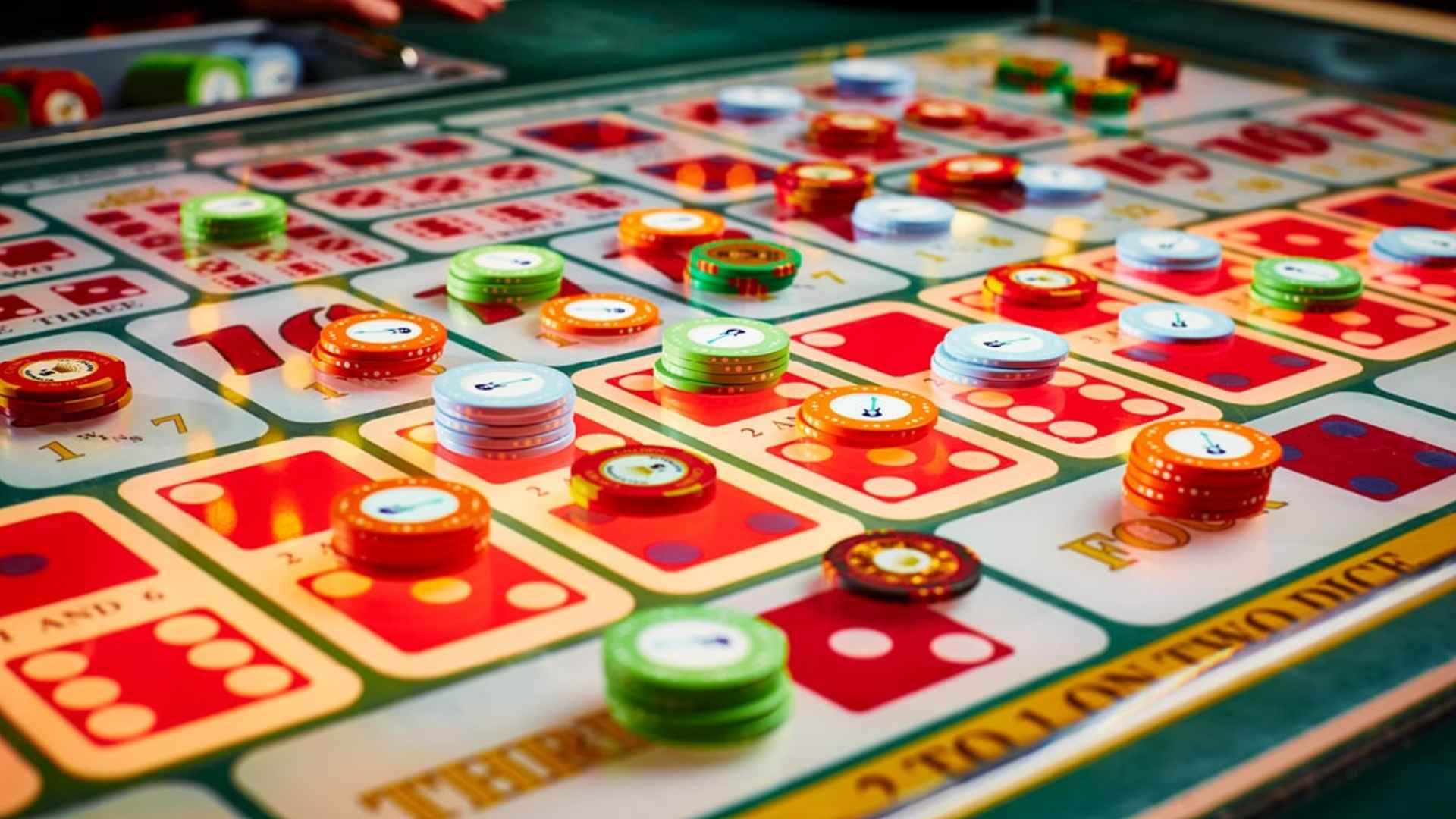
Tabletop gaming has long transcended simple amusement, transforming into a sophisticated domain where calculated risks and deep planning converge. While luck plays an undeniable role in the final outcome of any single round, the application of structured strategy separates casual participants from consistent players. Developing a deeper understanding of these tactical dynamics can significantly elevate your overall experience and appreciation of these classic games.
The Mathematical Foundation of Game Play
Every tabletop contest operates on fundamental mathematical principles that govern the distribution of probability and risk. Developing a disciplined approach requires players to thoroughly study these probabilities, ensuring that every move is backed by historical data rather than simple intuition. By understanding the underlying mechanics, you can systematically minimize unnecessary errors and maintain control of your session.
Furthermore, recognizing how the inherent advantages shift based on specific rules is vital for anyone looking to build a sustainable plan. Successful participants frequently analyze these mathematical margins to adapt their wagering patterns and decision-making processes. This scientific mindset transforms a simple game of chance into a highly engaging intellectual exercise.
Psychological Discipline and Bankroll Management
Mastering the tactical elements of table games involves more than just understanding numbers; it also requires extreme emotional control. Maintaining composure during unexpected downturns prevents impulsive decisions that could compromise your entire session budget. Establishing clear personal limits before you begin ensures that your play remains structured and highly enjoyable.
In addition to emotional stability, practicing disciplined bankroll management is the single most critical habit of seasoned players. Distributing your resources across small, calculated increments allows you to weather natural fluctuations and extend your playing time. If you prefer modern tactical competitions, keeping up with emerging trends via M88 esports can offer a fresh perspective on how modern digital strategies mirror classic table game theory.
Adapting to Dynamic Opponent Behavior
In multiplayer tabletop environments, your strategy must remain highly flexible to counter the diverse tactics of your opponents. Observing the physical cues, betting patterns, and general tendencies of others around the table provides invaluable insights that can be leveraged to your advantage. This constant adaptation is what makes live tactical sessions so dynamic and unpredictable.
Ultimately, the most successful strategy is one that remains fluid and responsive to the unique variables of each session. Players who refuse to adapt their approaches often find themselves at a severe disadvantage against more versatile opponents. By treating every table game as an evolving puzzle, you can sharpen your critical thinking skills and enjoy a much richer gaming experience.