Recent Post
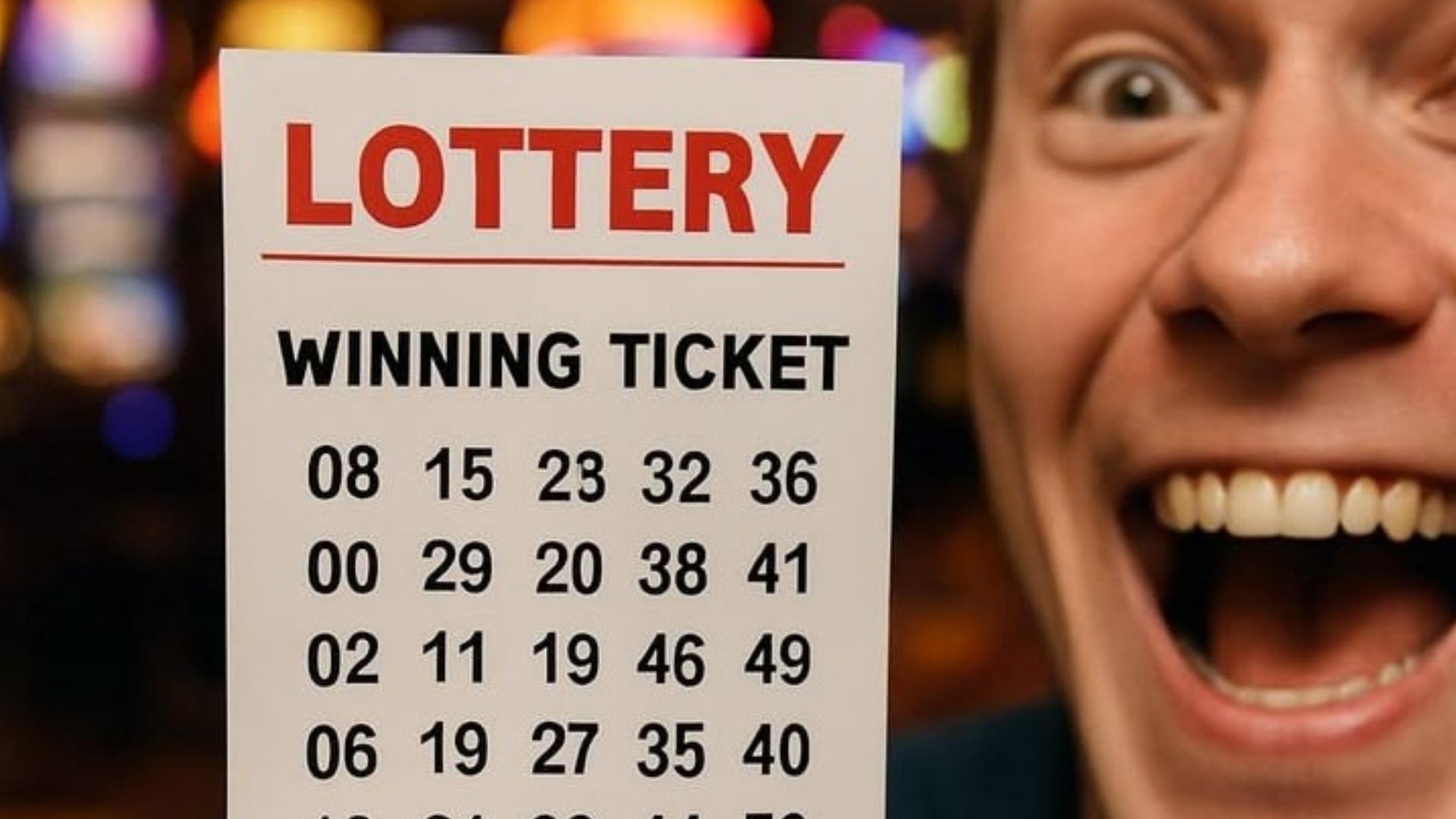
Lucky Draw Prize Opportunities Throughout the Year ...
Lucky draw events have transformed from occasional marketing stunts into reliable year-round engagement tools for modern digital platforms. Participants now find a steady stream of promotional campaigns tailored to different calendar milestones, ensuring excitement never fades. Understanding how these promotional activities shift dynamically across the seasons can help users plan their participation and safely maximize their potential rewards.
The Impact of Holiday and Festive Campaigns
Major holiday seasons like New Year, Spring Festival, and Christmas typically see a massive surge in high-value prize giveaways. Brands heavily invest in these periods to capture heightened consumer spending and reward long-term user loyalty. Enthusiasts can expect premium physical technology, luxury vacation vouchers, and substantial bonus pools during these highly competitive months.
To stand out from the crowd during peak annual celebrations, digital hubs often introduce unique thematic gameplay to their promotional systems. Exploring specialized interactive gaming sections such as the M88 esports platform can uncover unique seasonal draws tailored for digital entertainment lovers. Staying highly active during these festive windows ensures you do not miss out on the largest corporate distributions of the year.
Mid-Year Milestones and Anniversary Celebrations
The middle of the calendar year brings a distinct wave of promotions usually tied to corporate anniversaries and summer shopping festivals. Many online communities and retail platforms celebrate their founding milestones during June or July with highly accessible promotional systems. These events often feature significantly higher winning odds or lower entry requirements than major winter holiday campaigns.
Participating in mid-year events provides an excellent opportunity to maintain consistency without the intense crowd rush seen in December. Companies strategically utilize these periods to sustain user interest and keep community interaction steady before the late-year shopping rush begins. Monitoring your favorite platforms during these summer months allows you to take full advantage of balanced prize distributions.
Quarterly and Weekly Continuity Programs
Beyond massive seasonal holidays, many digital platforms maintain customer interaction through structured weekly or quarterly loyalty rewards. These ongoing program structures give dedicated users a reliable timeline to look forward to and integrate into their regular digital habits. While individual prizes may be smaller in scale, the sheer frequency of selection creates a more rewarding environment for active members.
Consistent participation in smaller weekly cycles can gradually accumulate impressive value over the span of twelve months. Regular systems build a transparent dynamic where active engagement directly correlates with steady promotional opportunities. Relying on these routine structures keeps the community healthy and reduces dependence on short-lived seasonal hype cycles.
Strategic Planning for Year-Round Participation
Navigating a full calendar of lucky draw opportunities requires a balanced approach to managing your time and interaction across multiple platforms. Creating a personal schedule of upcoming corporate anniversaries and major retail holidays allows you to allocate resources efficiently. This proactive method ensures that your participation remains enjoyable, sustainable, and aligned with peak reward periods.
It is also essential to verify the fairness and transparency of each platform before committing your attention to their promotional events. Trusted operators clearly outline their terms and selection processes, ensuring an equal playing field for every single participant. By prioritizing reputable platforms and tracking seasonal trends, you can enjoy a safe and fulfilling journey throughout the year.

Keno Number Selection Without Guesswork ...
Keno is widely recognized as a fast-paced lottery-style game that relies heavily on luck and random number generation. However, many enthusiasts prefer to approach their number selection with a structured plan rather than relying entirely on random guesses. By understanding the underlying mechanics of the game, players can develop a methodical approach to choosing their spots on the card.
The Role of Probability in Keno Selection
Every number drawn in a standard keno game has an equal mathematical probability of appearing in any given round. Instead of guessing blindly, systematic players look at the statistical likelihood of how many numbers will actually match. This knowledge helps in determining the optimal amount of spots to select on a ticket for a more balanced risk profile.
Choosing too many or too few numbers can significantly alter your potential payout structure and standard win conditions. For instance, selecting between four and eight spots is mathematically considered a highly practical strategy for casual play. Tracking these probabilities allows players to stay informed without relying on simple intuition or superstition.
Utilizing Balanced Number Patterns
Another popular method for removing guesswork is utilizing a balanced selection pattern across the entire keno grid. Players often split their card choices evenly between the top and bottom halves or choose a mixture of odd and even digits. This approach ensures that your chosen numbers are spread out, covering a wider digital footprint on the board.
Many modern online platforms feature robust user interfaces that help players track their statistical history and recent outcomes seamlessly. Enthusiasts often check platforms like M88 esports to see how digital variations handle rapid drawings and game statistics. Using real-time data visualizers can add an extra layer of structural planning to an otherwise entirely random layout.
Statistical Frequency vs Cold Strategy
Some players prefer to study historical draw data, categorizing numbers into hot and cold streaks based on recent appearances. Hot numbers are those that have appeared frequently in recent games, while cold numbers have stayed hidden for multiple rounds. Choosing a dedicated mix of both groups provides a systematic framework that completely removes pure guesswork from the process.
It is crucial to remember that past results do not influence future independent drawings in any legal, regulated game of chance. Even though every single draw resets the mathematical slate, adhering to a hot or cold strategy keeps your sessions organized. This disciplined structure allows you to track your personal gaming data over much longer periods.
Managing Your Strategy Responsibly
The most important element of selecting numbers without guesswork is establishing a strict budget before you begin your session. A structured betting system helps ensure that you can play multiple rounds without exhausting your funds too quickly. Consistency in your selections and your wagering size leads to a much more predictable and stable entertainment experience.
Ultimately, a successful keno framework focuses entirely on maximizing the entertainment value while keeping your expectations fully realistic. No number selection strategy can ever overcome the house edge or guarantee an absolute victory on a random draw. However, replacing emotional choices with structured math creates a much more engaging and calculated experience for any player.

How to Improve Tournament Results Faster ...
Succeeding in competitive gaming tournaments requires a strategic shift from casual play to structured preparation. While many players rely entirely on brute-force practice, the fastest way to improve your results is by optimizing your training methodology. By focusing on targeted cognitive drills and structured review habits, you can accelerate your growth and climb the leaderboards much faster.
Analyze Your Match Data
The foundation of rapid improvement lies in conducting a thorough post-game review of your performances. Instead of immediately queuing for another match after a loss, take the time to identify the exact moments where your strategy fell apart. This systematic analysis helps you recognize recurring patterns and prevents you from making the same costly mistakes in future rounds.
Focusing your energy on reviewing decision-making processes during critical high-pressure moments will quickly yield better results. Many elite players dedicate up to half of their training time solely to studying gameplay footage and breaking down opponent behaviors. Platforms that track real-time performance metrics can offer invaluable insights into your tactical habits and areas that need immediate refinement.
Optimize Your Mental Stamina
Maintaining peak concentration throughout long, multi-round tournament sessions is a major challenge for growing competitors. When fatigue sets in, decision speed slows down and simple mechanical errors begin to compound quickly. Developing structured physical and mental routines before a big event ensures you can sustain your focus until the final round.
Integrating brief, mindful breaks and staying hydrated during extended training sessions will help keep your mind sharp and alert. Players who actively manage their psychological endurance are far more likely to make rational choices under extreme pressure. To test your mental endurance in highly competitive digital arenas, checking out the latest updates on M88 esports can provide excellent benchmarks for professional-level play.
Refine Your Tactical Decision Speed
In high-stakes tournaments, the ability to process complex situations and make rapid choices is what separates champions from average participants. Relying on slow, hesitant calculations often gives your opponents the split-second advantage they need to secure a victory. To build faster cognitive processing, you must practice specific scenarios repeatedly until your responses become entirely instinctive.
Setting strict time limits during your daily practice sessions forces your brain to adapt to realistic tournament pressure. This targeted training teaches you to balance calculated risk with rapid execution, reducing anxiety when the stakes are high. Over time, this deliberate practice transforms general gaming knowledge into a powerful, automated competitive advantage.
Set Clear Skill-Specific Goals
Trying to improve every aspect of your gameplay simultaneously often leads to frustration and slow overall progress. Instead, isolate one specific skill, such as card tracking, map awareness, or resource management, and focus on it entirely for a week. Once that particular element becomes second nature, you can move on to mastering the next tactical component.
This modular approach to learning prevents cognitive overload and ensures that each skill is thoroughly integrated into your strategy. Consistently building up these individual micro-skills is the absolute fastest way to see dramatic changes in your tournament standings. By establishing structured habits and remaining patient, you will steadily transform your competitive performance.

Wheel of Fortune Strategies That Enhance Every Spin ...
Stepping up to the wheel of fortune brings a unique mix of anticipation and calculated risk to every single turn. While randomness ultimately decides where the pointer lands, players can use structured methods to maximize their long-term potential. Understanding how to approach each spin systematically can turn a game of pure luck into a highly engaging test of patience and skill.
Analyzing the Probability of Each Segment
Every wheel is designed with specific segment distributions that determine the likelihood of landing on high-value prizes or dangerous penalty sectors. Successful players study these patterns ahead of time to calculate their actual risks before deciding to make a move. This analytical perspective helps you maintain control over your gameplay instead of relying solely on hope.
By tracking the frequency of past outcomes, you can also identify potential biases or simple statistical trends in real-time. This extra layer of awareness ensures that you do not make impulsive choices during critical moments of the session. Ultimately, knowing the math behind the wheel remains the best foundation for any serious participant.
Smart Bankroll Management for Longer Play
One of the most common pitfalls for beginners is wagering too heavily on a single spin without a clear backup plan. Establishing a strict budget for your entire session keeps you in the game longer and cushions the impact of bad luck. This conservative approach is essential because it allows you to survive early losses and capitalizes on future winning streaks.
It is also wise to adjust your betting size dynamically based on the current state of your accumulated funds. Many enthusiasts practice these budgeting skills on diverse online platforms like M88 esports to gain practical experience without unnecessary pressure. Learning when to scale back your stakes is just as important as knowing when to play aggressively.
Deciding When to Walk Away Securely
Knowing when to lock in your progress is a vital skill that separates highly disciplined players from the rest. The temptation to spin just one more time often leads to losing accumulated rewards to a sudden penalty segment. Setting a concrete target profit before you start playing can help you resist this dangerous urge effectively.
Once you achieve your predetermined goal, taking a break ensures that you leave the session with your hard-earned wins intact. This disciplined mindset builds positive habits that will carry over into all of your future gaming endeavors. Consistently protecting your bankroll is the true secret to enjoying wheel games over the long term.
Enhancing Focus and Mental Composure
Emotional control plays a massive role in how well you execute your chosen strategies under pressure. Getting frustrated by a series of bad spins usually leads to chasing losses and making reckless decisions. Staying calm and viewing each spin as an independent event helps you maintain a clear and objective focus.
Practicing mindfulness and keeping your sessions brief can prevent mental fatigue from clouding your tactical judgment. By treating the game as a marathon rather than a sprint, you preserve the excitement of the experience. With a steady mind and these core strategies, you are fully prepared to get the absolute most out of every single spin.

Mystery Box Themes That Spark Curiosity ...
The modern retail market is experiencing a significant shift as consumers increasingly seek out memorable experiences rather than standard commercial transactions. At the forefront of this trend is the mystery box, a uniquely curated package whose contents remain hidden until the moment of unboxing. By centering these packages around highly specific concepts, creators manage to transform ordinary purchasing habits into engaging journeys of exploration.
The Pull of Retro Nostalgia
Stepping back in time offers a powerful emotional connection that instantly captivates a broad audience. Mystery packages filled with vintage electronics, classic comic books, or old-school snacks tap into fond memories from past decades. This thematic approach relies heavily on the joy of rediscovering lost childhood items that are no longer found on traditional store shelves.
Furthermore, the physical nature of historical media or legacy gaming gear provides a refreshing break from our heavily digitized daily routines. Collectibles from specific eras introduce a sense of storytelling, as each item carries historical charm and personal relevance. This perfect blend of history and surprise ensures that buyers remain intensely eager to discover what lies beneath the packaging wrapper.
Tech Innovations and Virtual Culture
On the opposite end of the spectrum, future-focused themes appeal directly to modern digital enthusiasts and forward-thinking consumers. These packages often contain advanced smart home accessories, emerging computer peripherals, or limited-edition digital merchandise. The anticipation builds around securing cutting-edge items that can enhance a buyer's existing tech setup or personal workflow.
This rapidly evolving landscape mirrors the fast-paced nature of modern interactive entertainment, where fans regularly visit platforms like M88 esports to experience competitive gaming culture. Integrating these progressive hobbies into a surprise curation strategy keeps the product lineup fresh and relevant. The dynamic nature of tech trends guarantees that no two unboxing experiences ever feel outdated or redundant.
Artisanal and Eco-Friendly Curations
Another concept growing in popularity focuses heavily on sustainability, independent craftsmanship, and mindful consumer choices. These boxes gather handmade goods, natural skincare remedies, or responsibly sourced culinary treats from global creators. Shoppers appreciate knowing that their curiosity supports small-scale businesses while respecting environmental boundaries.
This conscious curation format changes the overall narrative from an impulsive gamble into a supportive community investment. Buyers enjoy reading the unique origin stories behind every handmade item included in their package. Exploring rare goods through an ethical lens adds genuine long-term value to the initial thrill of the unknown reveal.
Practical Strategies for Selecting Themes
When diving into the world of surprise retail, identifying your primary interests ensures a rewarding and satisfying outcome. Researching the historical reliability of a vendor can verify that the distribution of items remains fair and authentic. Reading independent community reviews provides clear insight into whether the value of the contents matches your expectations.
Setting a definitive personal budget prevents casual curiosity from turning into an unmanaged or impulsive buying pattern. Approaching these unique offers with realistic expectations allows you to enjoy the creative narrative of the curation. When chosen carefully, a well-themed package serves as a memorable highlight that redefines conventional shopping habits.
Bridge Games Bidding Errors and How to Avoid Them ...
Contract bridge is a game of deep strategy and flawless communication, where the bidding phase sets the foundation for your entire success on the table. Many players focus intensely on card-playing techniques while neglecting the subtle and disciplined language of the auction. Making unforced errors during this opening phase can quickly derail your chances of securing a winning contract.
Overestimating Hand Strength and Distribution
One of the most frequent errors in bridge is overbidding based on high-card points alone without considering fit. Players often rush to support a partner's suit or jump to a high level without verifying if their hands actually complement each other. This aggressive approach regularly leads to failing contracts that could easily have been avoided with careful exploration.
To prevent this, you should adopt a balanced evaluation method that factors in both distribution and honor card location. Keeping your bidding conversational rather than highly speculative allows your partnership to find the safest spot on the board. Experienced players understand that patience during the initial auction is a much more reliable path to consistent victories.
Misinterpreting Partnership Conventions and Signals
Bridge conventions are designed to streamline communication, but they only work when both partners are strictly on the same page. Misinterpreting a forcing bid or failing to recognize an artificial signal can lead to immediate disaster on the table. These misunderstandings often result in playing in the wrong suit or at an impossible level.
Many active competitors utilize educational resources on M88 asia to study systematic approaches and modern bidding theories. Ensuring that you and your partner have a concrete, pre-arranged agreement on all major conventions will eliminate costly guesswork during intense matches. Clear and simple agreements are always superior to complex systems that you might easily forget under pressure.
Failing to Balance and Compete Safely
Another critical mistake is remaining completely silent when the opponents are finding an easy fit at a very low level. Allowing your opponents to play a comfortable contract without any interference is a missed opportunity to push them out of their comfort zone. Balancing the auction requires a keen understanding of vulnerability and overall hand distribution.
However, competing safely means you must know when to push forward and when to let the opponents have the contract. Reckless overcalls in weak suits can lead to doubled penalties that severely damage your final score. Mastering the delicate balance between competitive aggression and defensive caution is what separates average players from true experts.
Neglecting the Importance of Lead-Directing Bids
Many players view the bidding phase purely as a search for their own contract, forgetting its massive impact on defense. If your partnership ends up defending, the bids you made earlier will heavily guide your partner's opening lead. Failing to make a safe overcall when you hold a strong suit can leave your partner completely in the dark.
When you have the opportunity to make a lead-directing bid, you should do so to set up a strong defensive plan. This foresight ensures that even if you lose the auction, you still hold a significant tactical advantage when the play begins. Strategic bidding is a multi-dimensional tool that serves both offensive and defensive purposes in every round.

Split Pot Strategy for Consistent Results ...
Mastering split pot poker games requires a unique blend of patience, strategic foresight, and disciplined execution. Unlike standard high-only games, variants that split the prize pool between the best high and low hands demand that you constantly evaluate your potential to scoop the entire pot. By developing a structured approach to hand selection and opponent reading, players can secure more reliable outcomes over time.
The Importance of Starting Hand Strength
In split pot variants such as Omaha Hi-Lo, your initial card selection dictates your long-term profitability. Players must focus on hands that can actively compete for both sides of the prize pool to avoid the trap of being quartered. Entering the pot with weak, one-directional cards is a fast way to deplete your chip stack against experienced opponents.
Consistent winners prioritize versatile starting hands that offer multiple draws, such as low cards paired with high aces or strong suited connectors. This versatility ensures you remain competitive on various board textures as the community cards are revealed. Maintaining strict starting requirements protects you from making expensive post-flop mistakes when the action intensifies.
The Power of Position and Opponent Reading
Acting late in a betting round is highly advantageous in split pot games because it allows you to observe how your opponents value their holdings. Since players must often commit to either a high or a low draw, their betting patterns will quickly betray their true intentions. Recognizing these betting habits helps you navigate complex situations and maximize your returns when you hold a dominant hand.
To safely navigate these competitive environments, practicing your skills on reliable platforms like M88 esports can provide valuable exposure to diverse playing styles. Watching how experienced players handle marginal hands in late positions can teach you when to raise or when to fold. Applying these observations to your own game plan will lead to much more predictable results over time.
Understanding Pot Odds and Equity Realization
Calculating your equity in a split pot scenario is mathematically more complex than in traditional poker formats. You must constantly calculate the probability of securing half the pot while managing the risk of tied hands sharing the other half. Relying on simple pot odds without considering split-pot dynamics can lead to unprofitable calling decisions.
Skilled players utilize cautious bet sizing to build large pots when they hold scoop potential while keeping costs low when drawing to only one side. This balanced financial management prevents major losses during temporary downswings. Over time, making decisions based on solid mathematical equity rather than emotion will guarantee steady progress.
Maintaining Discipline and Bankroll Health
Even the most advanced tactical approach can fail without a strong commitment to emotional control and bankroll management. The high variance inherent in split pot games means that short-term fluctuations are entirely normal, even when making mathematically correct plays. Setting clear limits on your buy-ins ensures that a few bad sessions will not jeopardize your overall playing capital.
Remaining focused on long-term strategy rather than immediate wins is the ultimate secret to success. By staying calm under pressure and sticking to your proven game plan, you can weather any storm. True consistency is achieved when strategic discipline becomes a natural habit at the tables.
Mahjong Winning Techniques Explained ...
Mahjong is a game of profound depth where success relies heavily on a blend of tactical skill and mental agility. While basic familiarity with the tiles allows you to participate, mastering specific winning methodologies is what separates casual players from consistent champions. By focusing on tile efficiency and carefully reading the table, you can drastically increase your odds of completing a winning hand.
Mastering Tile Efficiency
One of the most important elements of a winning strategy is understanding how to maximize the potential of your starting hand. Efficient players constantly evaluate which tile combinations offer the highest mathematical probability of completion. Minimizing unnecessary moves allows you to reach a ready state much faster than your opponents.
During the early phases of a match, it is generally best to discard isolated honor tiles and terminal pieces that do not connect easily. Keeping your hand flexible ensures that you can quickly pivot when unexpected tiles are drawn from the wall. This disciplined approach builds a reliable foundation for securing more victories over time.
The Power of Strategic Discards
Every tile you place into the center of the table sends a distinct signal to the other players about your current strategy. Advanced players use their discards carefully to mislead opponents while safely building their own combinations. Learning which pieces to hold and which to release is a critical aspect of high-level defensive play.
If you notice that certain suits are being heavily discarded, it may be wise to adjust your strategy to avoid competing for scarce resources. Many enthusiasts sharpen their tactical decision-making skills by studying competitive matchups and practicing on modern platforms like M88 esports regularly. Observing how experts manage their discards can provide excellent insights into the flow of a fast-paced game.
Reading the Table and Your Opponents
Winning consistently requires you to look beyond your own tile rack and closely monitor the entire table. By tracking which pieces your opponents claim or discard, you can form an accurate picture of what combinations they are building. This situational awareness prevents you from accidentally feeding them a match-winning tile.
If an opponent suddenly changes their discard pattern, it often indicates that their hand has entered a highly dangerous or ready state. Paying close attention to these subtle behavioral shifts allows you to adjust your defensive positioning before it is too late. Recognizing these table dynamics is the ultimate hallmark of an experienced and successful player.
Balancing Offense and Defense
A common mistake among developing players is focusing entirely on completing their own hand while ignoring external risks. True mastery involves knowing when to push aggressively for a victory and when to play defensively to minimize point losses. If your hand is far from complete, shifting to a defensive mindset is often the smartest choice available.
Forcing a draw or preventing a rival from winning is just as valuable as securing a direct victory in long-term tournament play. Cultivating patience and remaining completely objective during difficult rounds will naturally elevate your overall performance. Balancing these two contrasting styles ensures you stay competitive regardless of the initial tiles you receive.

Solitaire Games That Test Your Logic ...
Solitaire has long been regarded as a simple pastime for passing the time, but certain variations elevate the experience into a profound test of mental coordination and deduction. Unlike luck-based card games, logic-driven solitaire variants require players to analyze current layouts, predict future sequences, and make highly calculated decisions. Engaging regularly with these mentally stimulating puzzles can help sharpen your analytical skills while providing a deeply satisfying cognitive challenge.
The Strategic Depth of FreeCell
FreeCell is widely celebrated as one of the ultimate tests of logical reasoning in the solo card game family. Because almost every single deal is mathematically solvable, winning relies entirely on your ability to plan several moves ahead. The game provides four open cells to temporarily store cards, which serves as a unique resource management puzzle requiring strict tactical discipline.
To succeed in FreeCell, you must carefully calculate when to clear columns and when to utilize your temporary storage spaces. Rash decisions will quickly clog your open cells and leave you with no viable moves on the board. Overcoming these tight layout restrictions makes each victory feel like a genuinely earned intellectual achievement.
The Deductive Challenge of Spider Solitaire
Spider Solitaire offers a completely different logic puzzle by utilizing multiple decks and encouraging complex suit management. Managing multiple suits simultaneously demands a high level of concentration and a keen eye for finding hidden pathways within the piles. Players must decide whether to build complete same-suit sequences or temporarily mix suits to uncover crucial face-down cards.
The real logical test in Spider Solitaire lies in managing your column space and deciding exactly when to deal the next round of cards from the stock. Dealing too early can bury your organized sequences under a messy layer of random cards, halting your progress completely. Just like analyzing complex strategies in M88 esports tournaments, masterfully organizing your virtual board requires patience, pattern recognition, and long-term foresight.
Thoughtful Solitaire and Card Counting
Thoughtful Solitaire is a modern variation where all cards in the tableau are dealt face-up from the very beginning of the game. This transparent layout completely removes the element of surprise, turning the traditional game into a pure open-information puzzle. Players can see every card on the board, allowing them to map out an exact step-by-step route to victory.
This variation rewards deep calculations and card-counting techniques, as you must mentally simulate your moves before moving a single physical card. By studying the placement of vital cards, you can avoid common traps that would typically block your progress. This makes the game highly attractive to puzzle enthusiasts who prefer complete control over their gaming success.

Strategic Approaches to Table Games ...
Tabletop gaming has long transcended simple amusement, transforming into a sophisticated domain where calculated risks and deep planning converge. While luck plays an undeniable role in the final outcome of any single round, the application of structured strategy separates casual participants from consistent players. Developing a deeper understanding of these tactical dynamics can significantly elevate your overall experience and appreciation of these classic games.
The Mathematical Foundation of Game Play
Every tabletop contest operates on fundamental mathematical principles that govern the distribution of probability and risk. Developing a disciplined approach requires players to thoroughly study these probabilities, ensuring that every move is backed by historical data rather than simple intuition. By understanding the underlying mechanics, you can systematically minimize unnecessary errors and maintain control of your session.
Furthermore, recognizing how the inherent advantages shift based on specific rules is vital for anyone looking to build a sustainable plan. Successful participants frequently analyze these mathematical margins to adapt their wagering patterns and decision-making processes. This scientific mindset transforms a simple game of chance into a highly engaging intellectual exercise.
Psychological Discipline and Bankroll Management
Mastering the tactical elements of table games involves more than just understanding numbers; it also requires extreme emotional control. Maintaining composure during unexpected downturns prevents impulsive decisions that could compromise your entire session budget. Establishing clear personal limits before you begin ensures that your play remains structured and highly enjoyable.
In addition to emotional stability, practicing disciplined bankroll management is the single most critical habit of seasoned players. Distributing your resources across small, calculated increments allows you to weather natural fluctuations and extend your playing time. If you prefer modern tactical competitions, keeping up with emerging trends via M88 esports can offer a fresh perspective on how modern digital strategies mirror classic table game theory.
Adapting to Dynamic Opponent Behavior
In multiplayer tabletop environments, your strategy must remain highly flexible to counter the diverse tactics of your opponents. Observing the physical cues, betting patterns, and general tendencies of others around the table provides invaluable insights that can be leveraged to your advantage. This constant adaptation is what makes live tactical sessions so dynamic and unpredictable.
Ultimately, the most successful strategy is one that remains fluid and responsive to the unique variables of each session. Players who refuse to adapt their approaches often find themselves at a severe disadvantage against more versatile opponents. By treating every table game as an evolving puzzle, you can sharpen your critical thinking skills and enjoy a much richer gaming experience.
Semua artikel sudah ditampilkan.